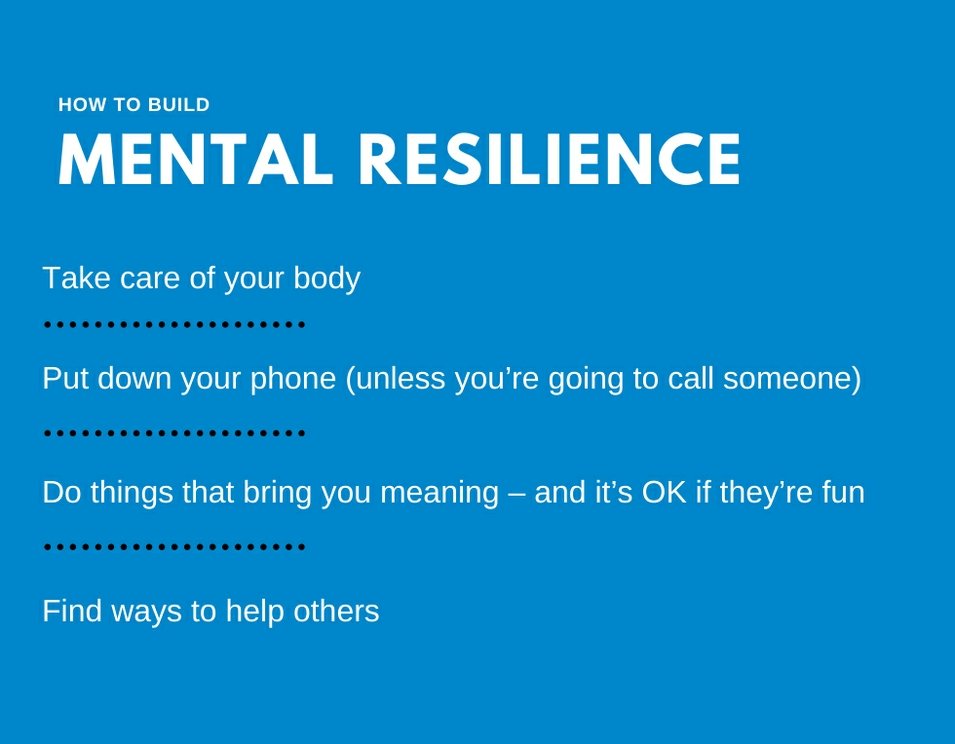
Life is a relentless series of ups and downs, but your ability to navigate those currents – to bend without breaking, to learn from setbacks, and to emerge stronger – isn't just luck. It's a skill you can hone. Cultivating mental resilience is the intentional process of building the inner strength and flexibility needed to face adversity head-on, overcome challenges, and even grow from the toughest experiences. It's about developing a robust toolkit for your mind, allowing you to move through hard times with purpose and learn valuable lessons along the way.
The American Psychological Association defines resilience as "the process and outcome of successfully adapting to difficult or challenging life experiences, especially through mental, emotional, and behavioral flexibility." This isn't an innate trait you're either born with or not; it's a learned capacity, much like strengthening a muscle. When you commit to cultivating mental resilience, you're investing in a future of greater health, happiness, and fulfillment, no matter what life throws your way.
At a Glance: Key Takeaways for Cultivating Resilience
- Resilience is a learned skill, not a fixed personality trait. You can develop it.
- It helps you manage stress, adapt to change, and maintain a positive outlook.
- Benefits extend beyond mental health, impacting your physical well-being and social connections.
- Core strategies include developing a growth mindset, practicing self-care, and building strong relationships.
- Consistency and patience are crucial, much like building physical strength.
- If challenges persist, professional support can provide invaluable tools for your journey.
Why Your Inner Strength Matters: The Profound Benefits of Resilience
Imagine a sturdy tree, its roots deep, its branches flexible. When the storm hits, it sways but doesn't snap. That's the essence of resilience – and its benefits ripple through every aspect of your life.
For Your Body: A Shield Against Stress
When you're resilient, your body feels it. Chronic stress, a silent assailant, can wreak havoc, contributing to cardiovascular conditions, weakening your immune system, and generally making you feel run down. Resilience acts as a powerful buffer, reducing these negative impacts. Resilient individuals often find themselves naturally gravitating towards healthier lifestyle choices – regular exercise, balanced nutrition, adequate sleep – creating a virtuous cycle that reinforces both physical and mental well-being.
For Your Mind & Emotions: Your Internal Compass
Mental and emotional resilience is your protective armor against the storms of anxiety and depression. It equips you with the mental fortitude to manage daily stressors, adapt gracefully to unexpected changes, and maintain a more positive outlook even when things are tough. Beyond protection, it enhances your ability to foster deeper, more meaningful relationships, boosts your productivity, and significantly elevates your overall quality of life. Understanding the profound impact of positive thinking can further unlock this mental advantage.
For Your Connections: Weaving a Stronger Social Fabric
No one thrives in isolation. Resilience strengthens your interpersonal connections, fostering a profound sense of community and support. It empowers you to effectively seek help when you need it and to offer assistance to others, creating valuable social networks that become critical lifelines during challenging times. These strong bonds are a two-way street, amplifying your ability to bounce back and reminding you that you're never truly alone.
The Blueprint for Resilience: Actionable Strategies You Can Start Today
Cultivating mental resilience isn't about grand gestures; it's built brick by brick through consistent, intentional practices. Here are the core strategies you can integrate into your daily life.
1. Develop a Growth Mindset: See Challenges as Classrooms
The single most powerful shift you can make is in how you perceive challenges. A growth mindset isn't about ignoring difficulties; it's about viewing them as opportunities to learn, grow, and develop new abilities.
- Embrace Imperfection: Understand that mistakes are data points, not failures. They offer crucial insights.
- Set Realistic Expectations: You won't solve every problem overnight. Give yourself time and space to work through complexities.
- Value Constructive Criticism: See feedback as a gift that helps you improve, rather than a personal attack.
- Take Calculated Risks: Stepping outside your comfort zone is where true growth happens.
- Reframe "Failure": Instead of seeing it as a dead end, view it as a necessary detour that taught you something vital.
2. Practice Self-Care: Fueling Your Inner Reserves
Self-care isn't selfish; it's fundamental to your resilience. It's about consciously identifying and making time for activities that nourish your mind, body, and spirit, and setting clear boundaries to prioritize your needs.
- Reflective Writing: Jotting down thoughts and feelings can bring clarity and emotional release.
- Nutrient-Rich Diet: What you eat profoundly impacts your mood and energy. Fuel your body well.
- Regular Physical Activity: Movement is a powerful stress reliever and mood booster. Discover how physical activity boosts mental well-being.
- Prioritize Sleep: Non-negotiable. Quality sleep recharges your brain and body, preparing you for the next day's demands.
- Daily Stress Relief: Incorporate practices like deep breathing, mindfulness, or meditation to calm your nervous system.
3. Set Realistic Goals: Small Steps, Big Progress
Overwhelming challenges can paralyze us. The trick is to break them down into smaller, manageable parts. Each accomplished step builds momentum and confidence.
- Make it Realistic and Doable: Don't aim for perfection; aim for progress.
- Commit Daily: Consistency, even with tiny steps, creates significant change over time.
- Seek Support: Share your goals with a trusted peer or mentor for encouragement and accountability.
- Be Patient with Roadblocks: Expect them, and view them as temporary hurdles, not impenetrable walls.
- Celebrate Accomplishments: Acknowledge every win, no matter how small. It reinforces positive behavior.
4. Embrace Change and Flexibility: The Art of Adaptation
Life is fluid, not static. Understanding that change and instability are inherent parts of the human experience frees you to focus on what you can control: your reaction.
- Adapt When Things Go Wrong: Be willing to pivot, adjust your plans, and explore alternative paths.
- Embrace Imperfection: Not everything will go according to plan, and that's okay.
- See the Bigger Picture: Don't get lost in the immediate frustration; consider the long-term perspective.
- Avoid Overreacting: Take a breath, pause, and respond thoughtfully rather than impulsively.
- Challenge Fixed Thoughts: Ask yourself if your rigid beliefs are truly serving you.
- Remain Hopeful: Even in difficult times, look for glimmers of possibility.
5. Build Problem-Solving Skills: Your Toolkit for Tough Times
Resilient individuals don't just hope problems disappear; they actively develop strategies to tackle them effectively. This isn't about finding the perfect solution, but finding a solution that moves you forward.
- Identify and Describe: What exactly is the problem? Be specific.
- Determine Causes: What factors are contributing to this issue?
- Brainstorm Solutions: Generate multiple options, even unconventional ones.
- Test and Note Results: Try a solution, observe what happens, and learn from it.
- Experiment: If one solution doesn't work, try another. Be iterative.
- Maintain Calmness: A clear head leads to better decisions. Consider effective stress management techniques to help with this.
- Accept Complexity: Some solutions aren't straightforward. Embrace the nuance.
- Seek Support: Don't hesitate to ask for advice or a different perspective.
6. Try Mindfulness and Meditation: Anchor in the Present
In a world full of distractions, mindfulness and meditation are powerful practices that help you relax, focus, and build inner strength by cultivating present-moment awareness.
- Mindfulness in Daily Life: Pay attention to sensations, sounds, and emotions during routine tasks – eating, walking, doing dishes. Focus on your breath.
- Meditation for Clarity: This isn't about emptying your mind, but about observing thoughts without judgment. Try guided apps, body scans, calming music, or meditative yoga. Even prayer can be a form of meditation. Getting started with mindfulness can be simpler than you think.
7. Journal and Reflect: Becoming Your Own Best Coach
Writing down your thoughts, feelings, and experiences is a profound way to boost self-awareness and cultivate resilience. It allows you to process emotions, identify patterns, and gain perspective.
- Morning Pages: Write whatever comes to mind first thing in the morning to clear your mental slate.
- Nightly Worries: List anything bothering you before bed to offload mental baggage.
- Gratitude List: Regularly note things you're thankful for (more on this below).
- Daily Reflection: At the end of each day, consider: What went well? What was challenging? What did I learn?
8. Release Regret: Facing Forward
Holding onto past regrets is like carrying dead weight. Acknowledge them, learn the lessons they offer, and then consciously choose to let them go. Dwelling on what could have been robs you of energy needed for present actions and future planning. You can influence your destiny, but only by focusing on what's ahead, not what's behind.
9. Garner Gratitude: The Antidote to Negativity
Consistently expressing gratitude isn't just a feel-good exercise; it's strongly correlated with better mental, emotional, and even physical health. It shifts your focus from what's lacking to what's abundant.
- Keep a gratitude journal.
- Thank someone verbally each day.
- Take time to appreciate small moments of joy.
10. Move More: Exercise Your Way to Resilience
The link between physical activity and mental well-being is undeniable. Engaging in regular exercise – whatever form you enjoy – has been shown to strongly correlate with higher levels of resilience. It releases endorphins, reduces stress hormones, and improves cognitive function. It's a non-negotiable for a resilient mind.
11. Encourage Optimism: The Lens of Hope
Optimism isn't naive; it's a powerful tool. Cultivating a positive outlook that focuses on your strengths, successes, and achievements helps you navigate challenges with greater ease. Optimistic people tend to be emotionally, mentally, and physically healthier, seeing possibilities where others see roadblocks.
12. Laugh More: Your Body's Natural Medicine
Consciously infuse laughter into your daily life. Whether it's watching a funny show, sharing a joke, or simply finding humor in everyday situations, laughter is potent medicine. It decreases stress hormones like cortisol, increases feel-good chemicals like oxytocin, and even enhances your immunity.
13. Build Social Support: Your Resilience Network
You don't have to face life's challenges alone. Cultivating strong, trusting relationships with friends, family, and community members provides a vital safety net. This network offers emotional support, encouragement, practical assistance, and different perspectives during tough times. Proactively seek out and nurture these connections, and remember that strategies for building stronger relationships are key to long-term well-being.
What Does a Resilient Person Look Like? The Traits That Empower
While resilience is a process, certain characteristics often define individuals who demonstrate it well. These aren't just traits you're born with; they're often cultivated through the practices outlined above.
Resilient individuals frequently exhibit:
- Optimism: A belief that good things can happen, and that challenges are surmountable.
- A Problem-Solving Approach: They see problems as puzzles to solve, not insurmountable obstacles.
- Forgiveness: Both of others and themselves, understanding that holding grudges is self-destructive.
- High Acceptance: Recognizing that some things are beyond their control.
- Responsibility: Taking ownership of their actions and needs.
- A Growth Mindset: A continuous desire to learn and improve.
- Acceptance of Constructive Criticism: Seeing feedback as an opportunity for development.
- Close and Trusting Relationships: A strong network of support.
- Ability to Recover: They bounce back after hardships, often with greater wisdom.
- High Self-Confidence and Self-Esteem: A belief in their own capabilities.
- A Sense of Humor: The ability to lighten difficult situations.
- Flexibility: Adapting easily to new circumstances.
- Hopefulness: Maintaining a positive outlook despite adversity.
Overcoming the Obstacles to Your Resilience Journey
Developing resilience isn't a one-time fix; it's an ongoing journey that requires time and intentional practice. Think of it like strengthening a muscle: consistent effort over time yields results. You'll have days where you feel strong and days where you feel weary, and that's entirely normal.
Key strategies to stay the course include:
- Nurture Healthy Relationships: Surround yourself with positive, supportive people who uplift you.
- Accept What You Can't Control: Some obstacles are simply a part of life. Focus your energy on your response, not on wishing things were different.
- Strive for Optimism: Cultivate a hopeful outlook, actively seeking the silver lining or the lesson in every challenge.
- Keep the Big Picture in Mind: Don't get bogged down by immediate setbacks. Remember your long-term goals and values.
Consistency in practicing these behaviors is paramount. Even small, daily efforts accumulate into significant gains over time. However, if you find yourself continually struggling despite diligently working on your resilience skills, or if you're experiencing symptoms of anxiety, depression, or prolonged distress, it's crucial to seek professional support. A licensed therapist, counselor, or psychologist can provide personalized guidance, offer additional tools for navigating challenges, and help enhance your emotional and mental well-being.
Your journey toward understand more about fostering inner peace is a testament to your strength. Remember, resilience isn't about avoiding pain or hardship; it's about building the capacity to move through it, learn from it, and emerge with an even deeper appreciation for your own incredible strength.